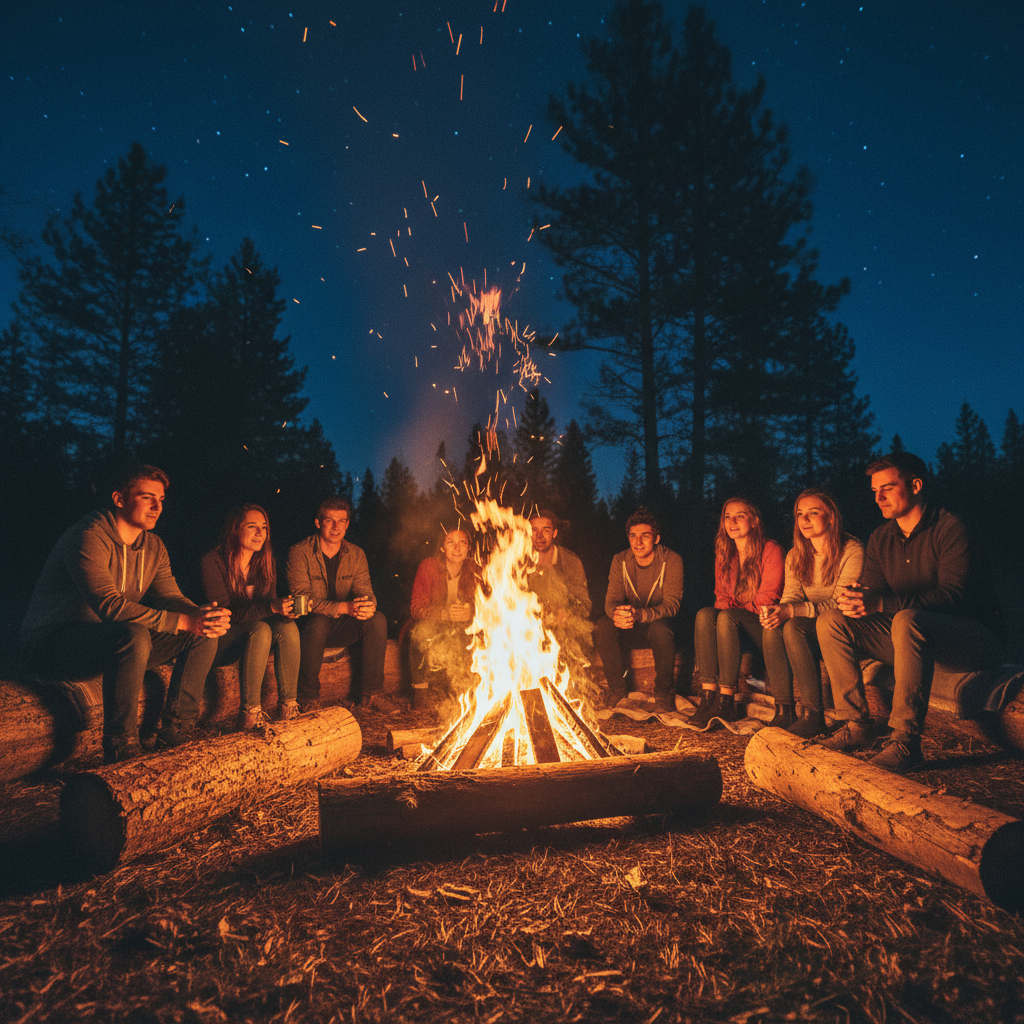
of adults cannot start a fire without a lighter or matches
FEMA Household Preparedness Survey, 2023
The average person survives in unregulated cold before hypothermia becomes irreversible
Wilderness Medical Society Clinical Practice Guidelines
of Hearth students leave with all 7 core skills — after one weekend
Hearth post-course assessment, 2024–2025 cohorts (n=312)
No credit card. No commitment. Just knowledge you'll keep for life.
You before the course. You after it.
Each scenario below is something real people face. Stakes escalate as you scroll.
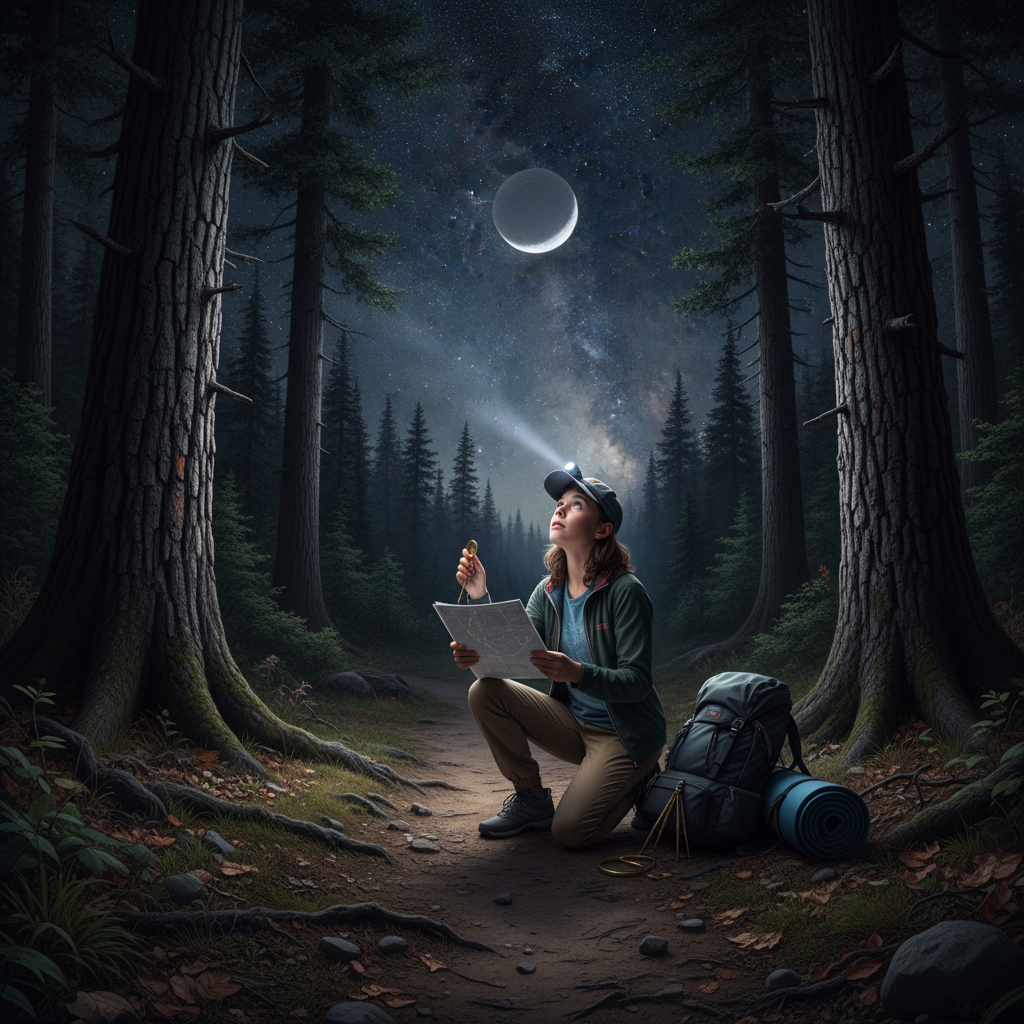
You're 3 miles in on a trail and your phone dies. The path looks different on the way back.
Without the skill:
You walk in circles for two hours. Eventually someone finds you. You feel stupid.
Navigation by starlight & terrain reading
Use Polaris, shadow-tip method, and ridge lines to maintain bearing without tools. Students navigate a 2-mile night route on Day 2.
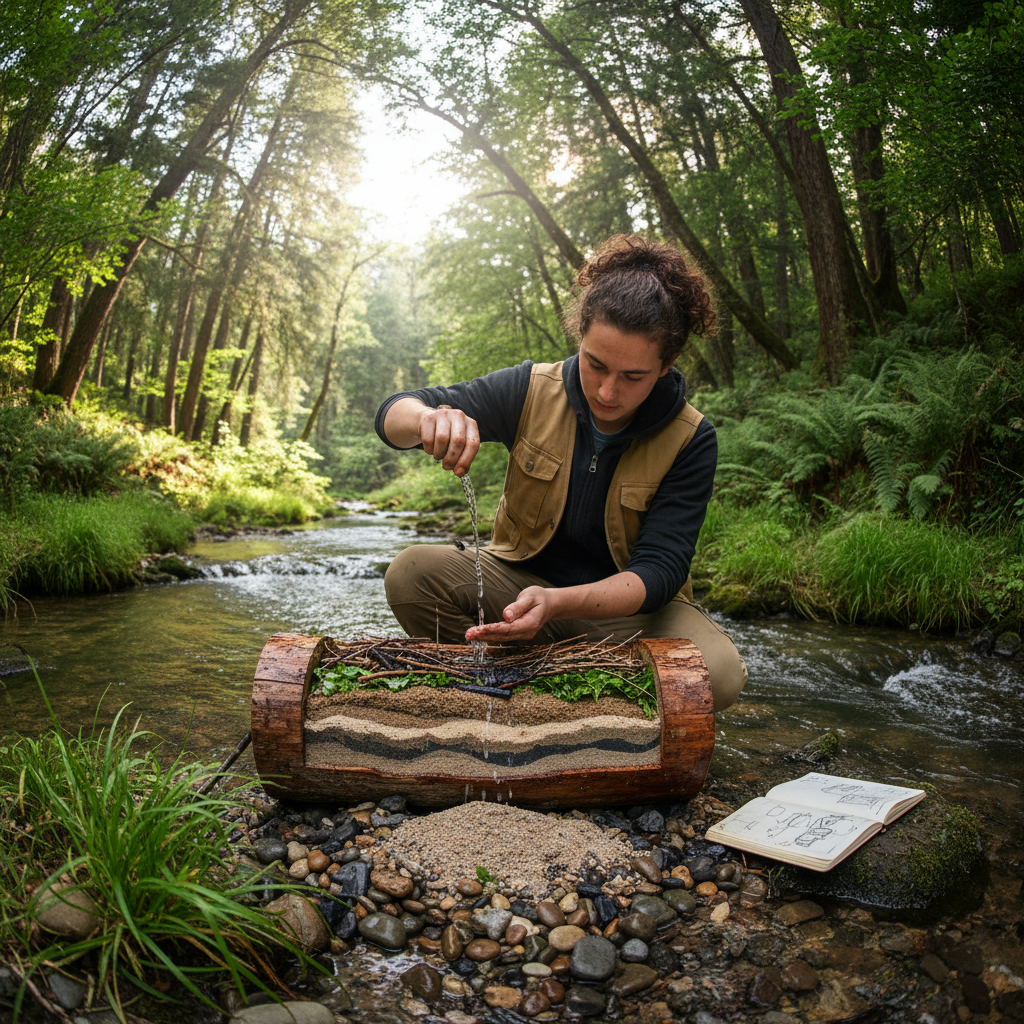
A creek is the only water source. You haven't drunk anything in 6 hours.
Without the skill:
You drink it anyway, or you don't. Either way — giardia, dehydration, or panic.
Field water purification (4 methods)
Boil protocol, improvised sand/charcoal filter, iodine dosing, and UV pen use. You practice all four on actual creek water on Day 1.
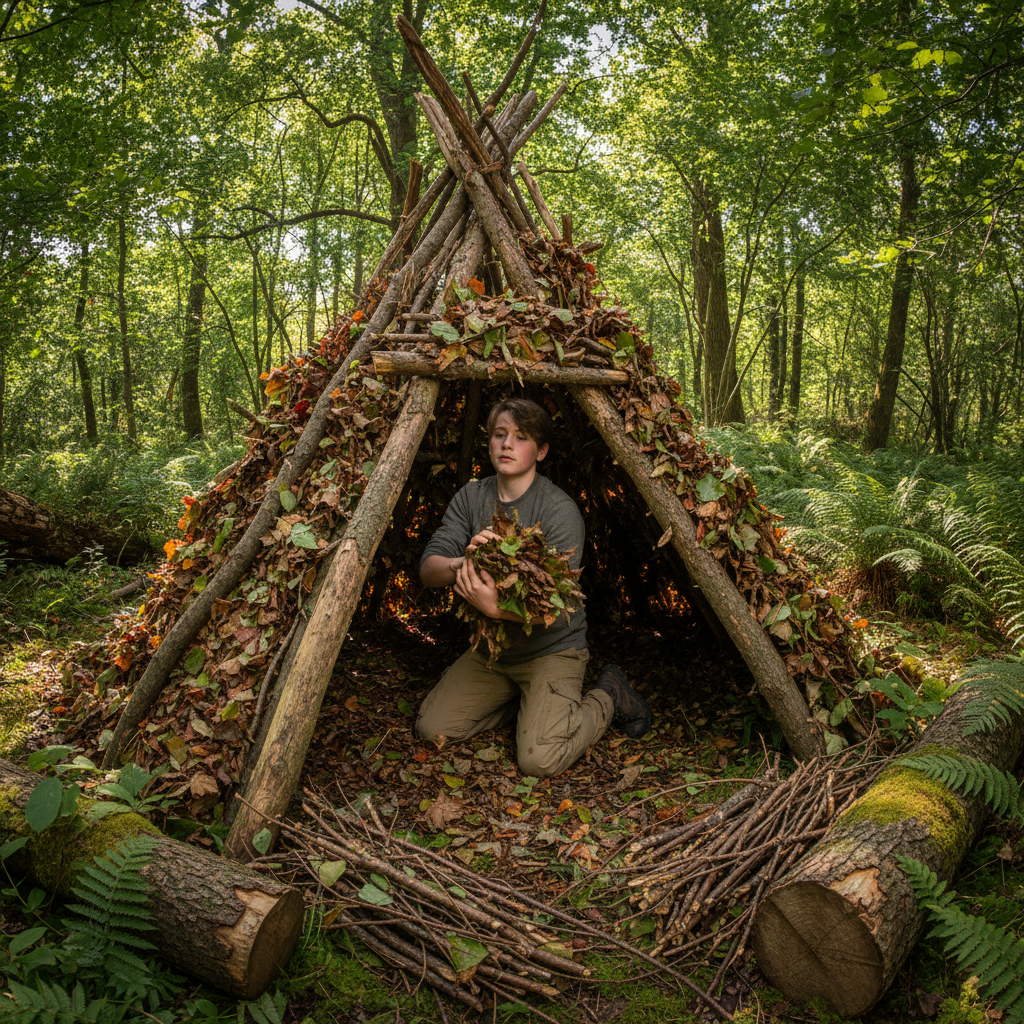
Temperatures drop to 38°F overnight. Your tent pole snapped. You have what's in your daypack.
Without the skill:
You shiver through the night. Core temp drops. Judgment deteriorates before you realize it's happening.
Debris shelter construction
Build an insulated debris hut in under 45 minutes using only natural materials. Rated to 20°F differential. Every student builds one solo.
Power is out. It's January. Your family hasn't been warm in 18 hours. You have a backyard.
Without the skill:
You try the lighter. It doesn't catch. You try cardboard. The kids are watching. Nothing.
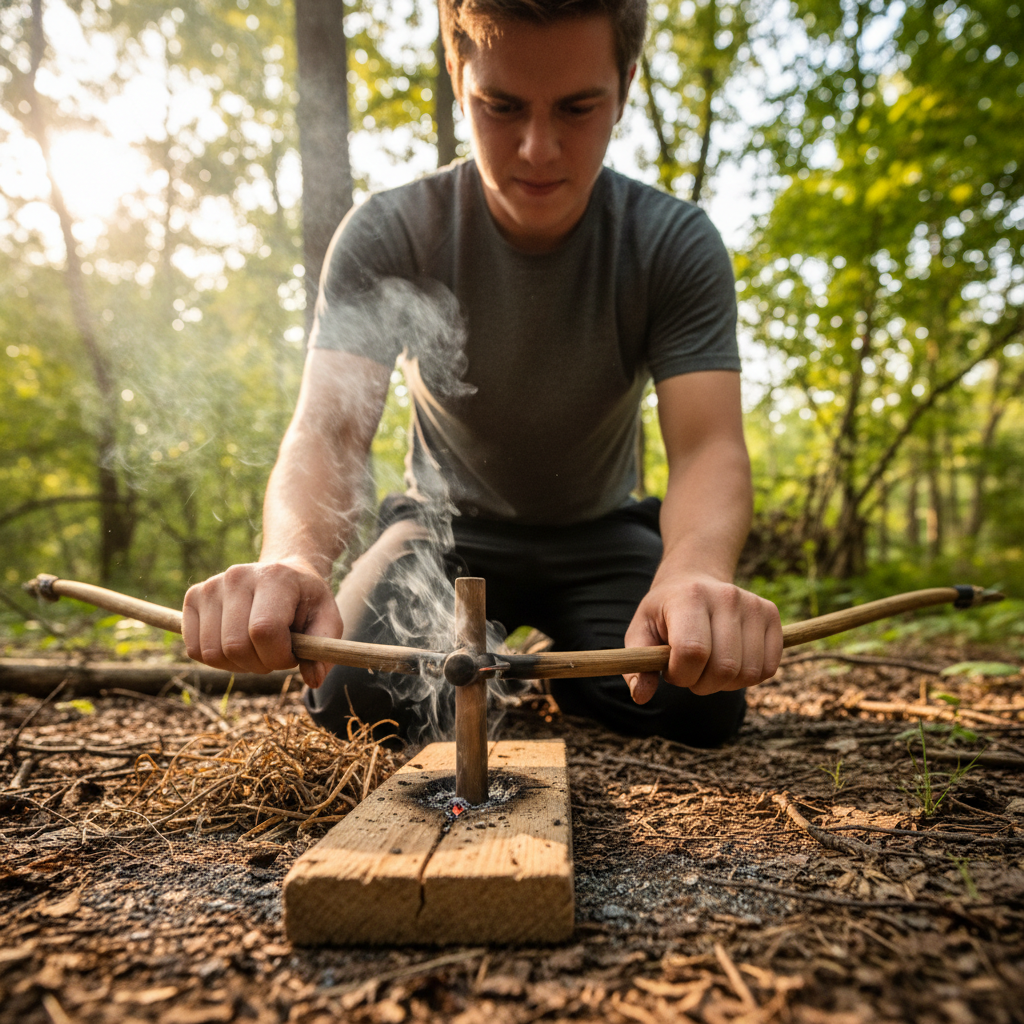
Fire starting without modern tools
Bow-drill friction fire from scratch, flint-and-steel sparking, fatwood identification. 94% of students achieve coal-to-flame on their first solo attempt.
The gap between knowing and not knowing is one weekend.
Close the Gap — Get the ChecklistEveryone arrives for the same quiet reason.
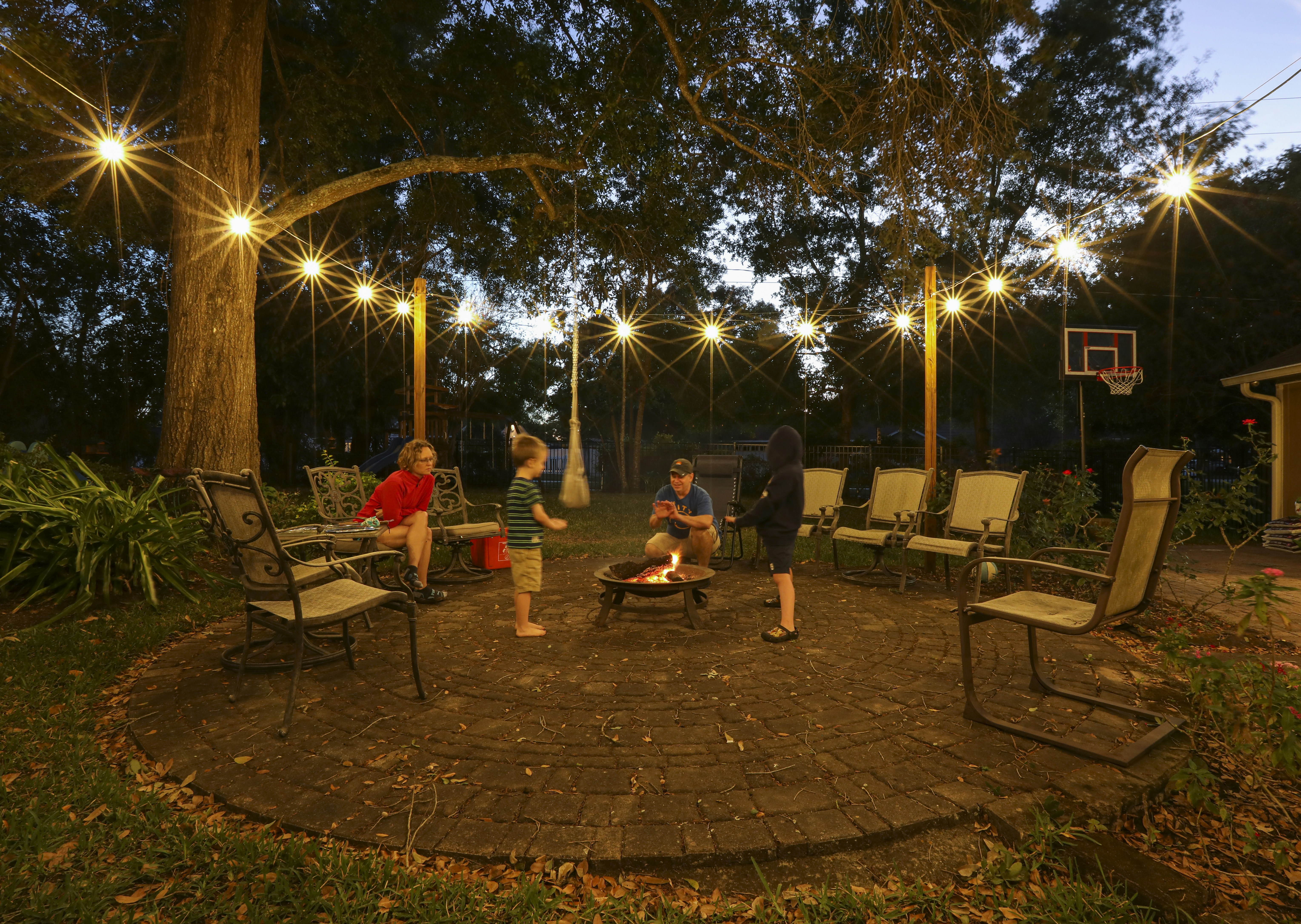
Suburban Parents
You love your family. You just can't start a fire.
You've thought about it — a major storm, a grid failure, a long drive into nowhere. You have smoke detectors and a first aid kit. But if the power went out in January, what would you actually do? Hearth gives you the real answer, and lets you teach your kids what you learned.
“I came in thinking I'd learn to "be outdoorsy." I left knowing I could keep my kids warm if I had to.”
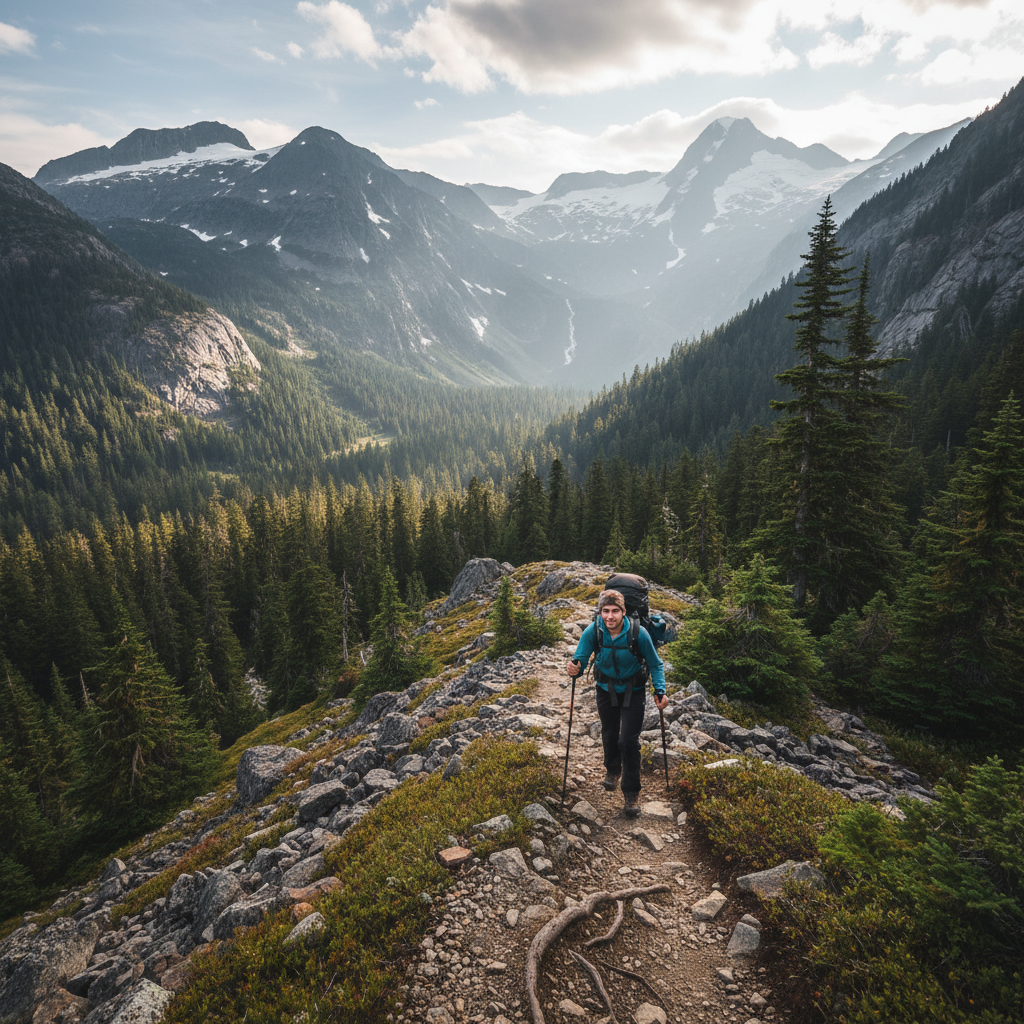
Solo & Remote Hikers
You've been lucky. Luck isn't a plan.
You know your trails. You've done 20-mile days. But a broken ankle five miles from the trailhead, or a flash storm that turns a familiar path into a river — luck runs out. Hearth fills the gap between confidence and competence.
“I'd been hiking alone for eight years. This was the first time I felt genuinely prepared, not just experienced.”

Corporate Teams
Trust falls are over. This is real.
You need your team to actually trust each other — not perform trust in a conference room. There's something that happens when you're all trying to make fire at 9pm and none of you can, and then someone figures it out. That's the bond you're looking for.
“We've done ropes courses, escape rooms, all of it. Nothing came close to the conversations we had around that fire on night two.”
Everything you learn. Nothing withheld.
The full curriculum, visible before you sign up for anything.
Fire Without Tools
Bow-drill, flint-and-steel, fatwood identification, and fire-lay construction.
94% of students achieve coal-to-flame on first solo attempt.
Water Purification
Four field methods: boil protocol, improvised filtration, iodine dosing, UV pen.
Practice on actual creek water. No shortcuts.
Debris Shelter
Build an insulated debris hut solo in under 45 minutes using only natural materials.
Rated to 20°F differential. No tools, no tarps.
Foraging Basics
Identify 12 edible plants in your region, avoid 4 common lookalikes, and prepare a foraged meal.
You eat what you find on Saturday evening.
Navigation
Polaris bearing, shadow-tip method, terrain association, and night movement.
2-mile night navigation route on Day 2, solo.
Signaling & Rescue
Ground-to-air signals, mirror flash, whistle protocol, and building a visible landmark.
When to self-rescue vs. stay put — the decision that saves lives.
Hypothermia Response
Recognize onset, field treatment, layering science, and the critical 30-minute window.
Practice on each other. You'll know what to feel for.
The Weekend
Friday evening through Sunday noon. Meals included — you forage and cook them.
What to Bring
Printable packing list — no email required.
Take something real with you.
We don't tease knowledge. The checklist is a complete standalone resource. The fire module is the actual first lesson. You get the real thing, because that's how you know we teach the real thing.